Latest / Industrial maintenance
Getting the robot to the work.
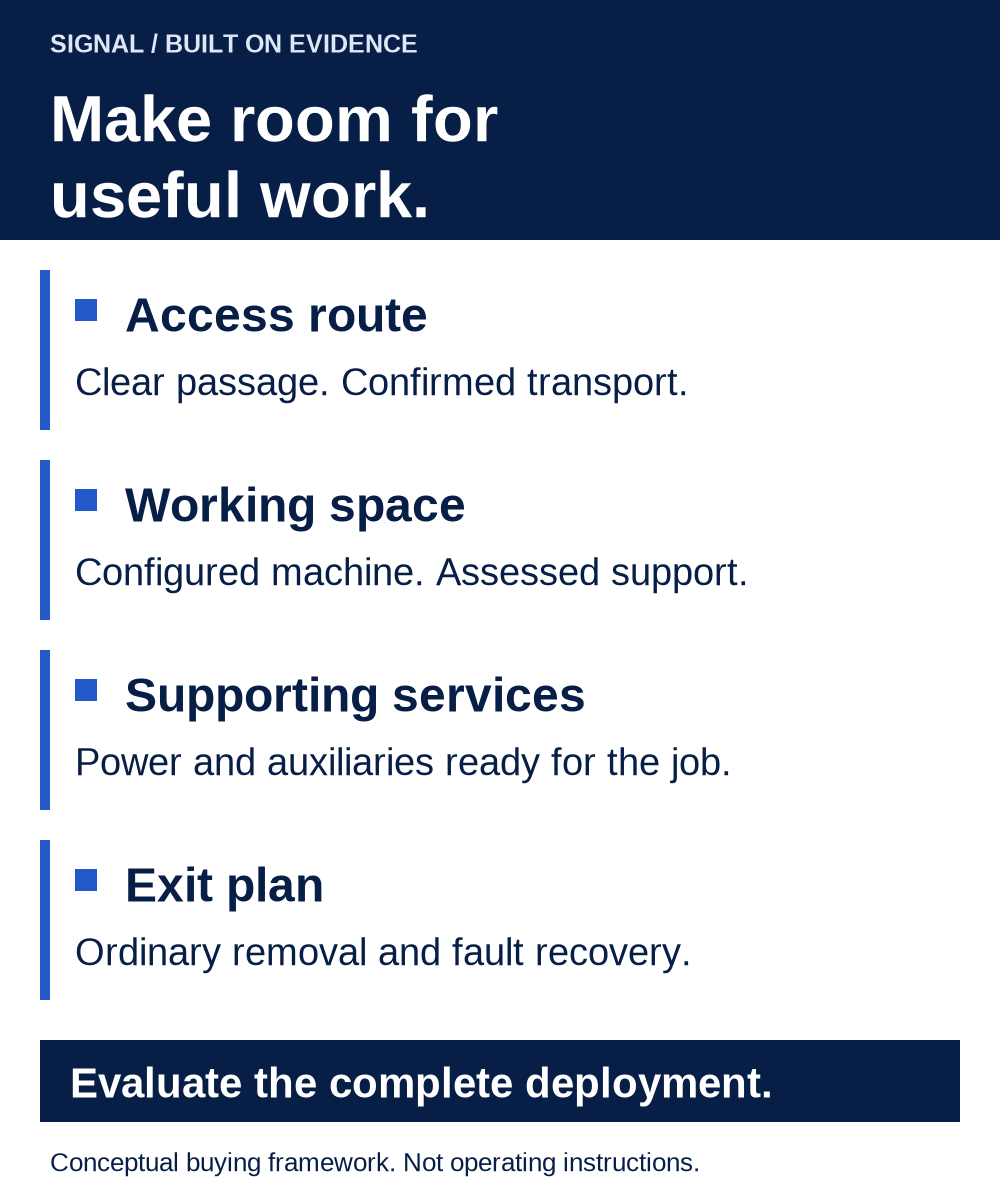
Remote demolition can put useful power into difficult spaces. The commercial advantage depends on access, working room and a site ready to support the machine.
Read the analysis ↗
VoltSmiths / Field intelligence
Industrial vehicles. Automation. The engineering that moves useful work forward.
RSS feedRemote demolition can put useful power into difficult spaces. The commercial advantage depends on access, working room and a site ready to support the machine.
Read the analysis ↗19 articles
Remote demolition can put useful power into difficult spaces. The commercial advantage depends on access, working room and a site ready to support the machine.
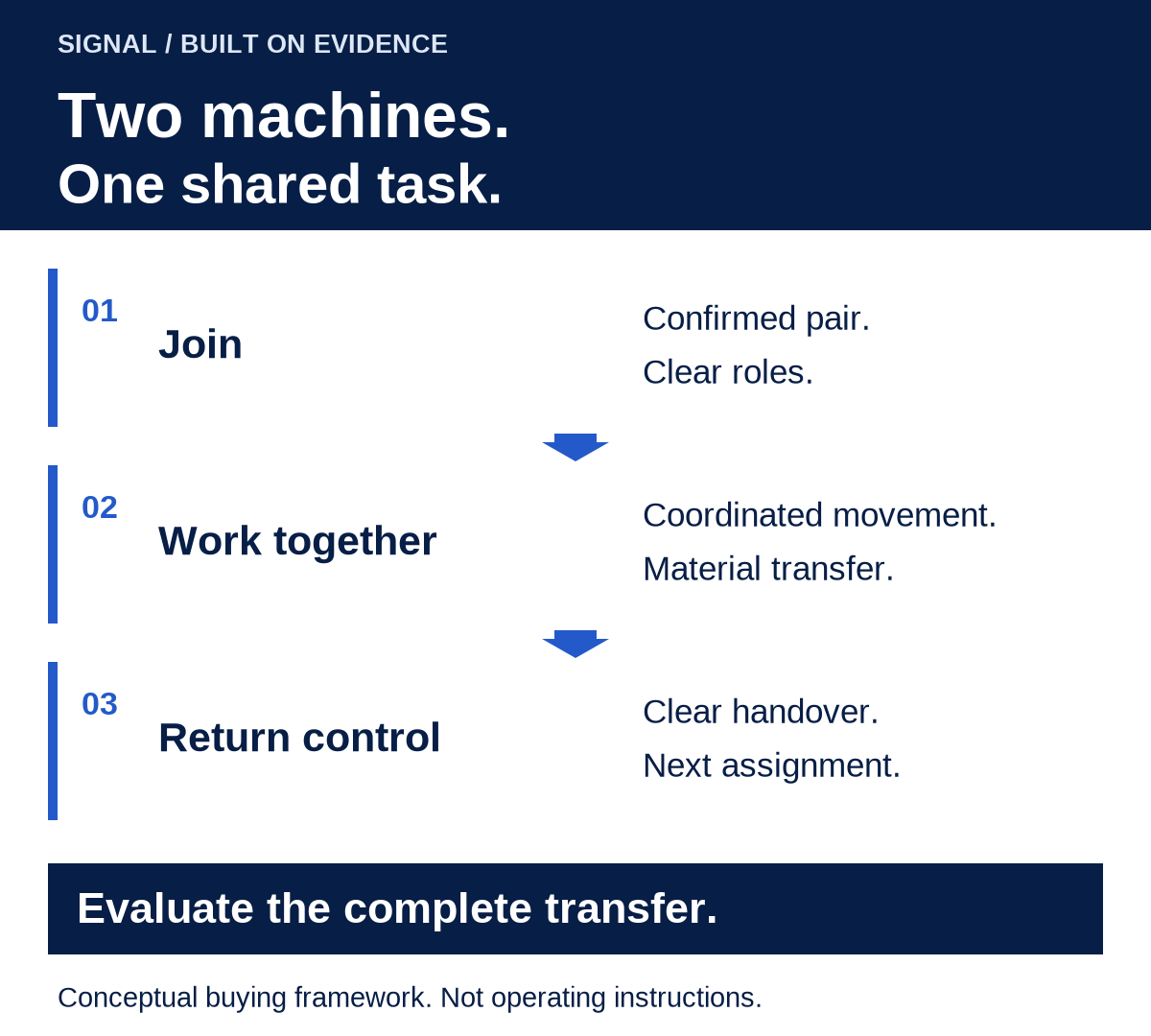
Harvest automation shows how two vehicles can coordinate a useful task. Buyers should evaluate the machine pair, the material transfer and the return of control together.
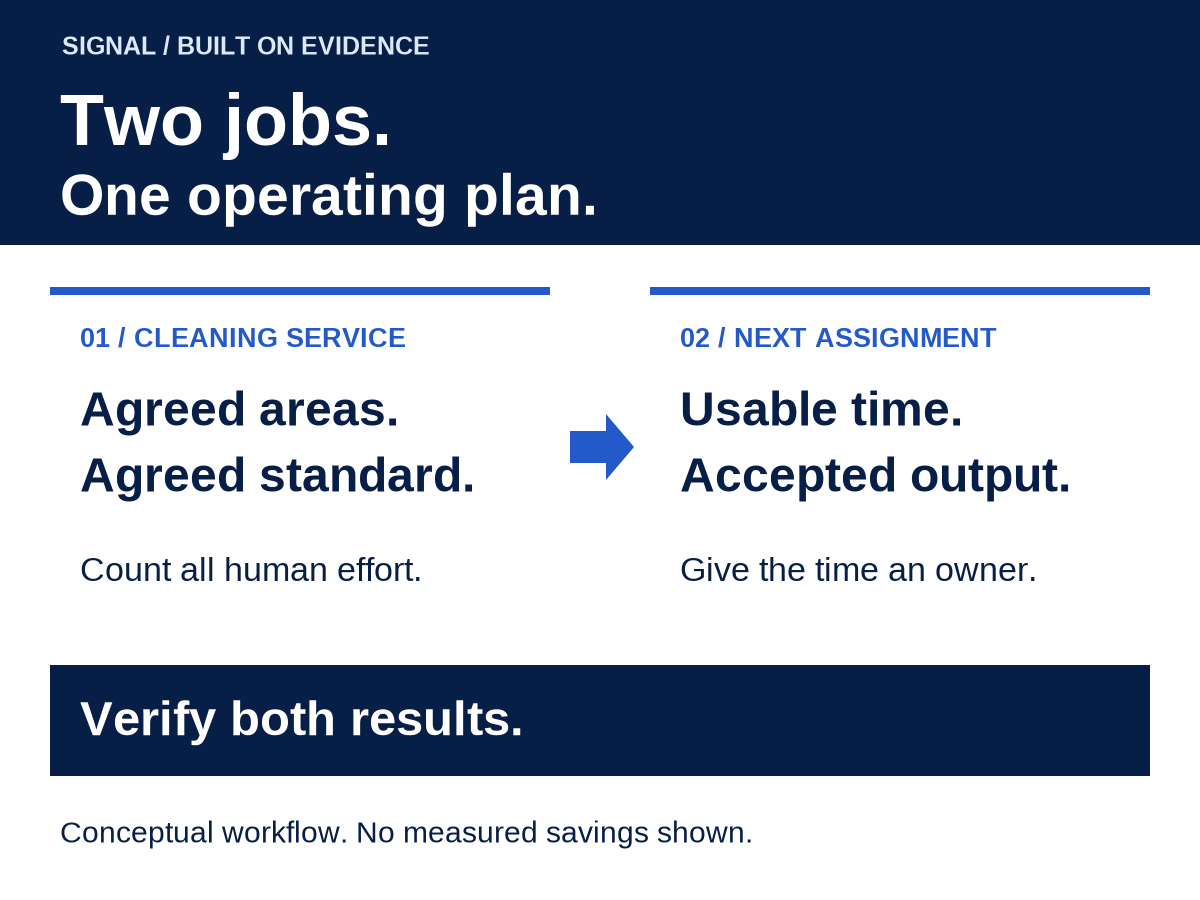
Robotic cleaning can create capacity inside an industrial facility. The buying case improves when that time has a useful assignment and a result the team can verify.
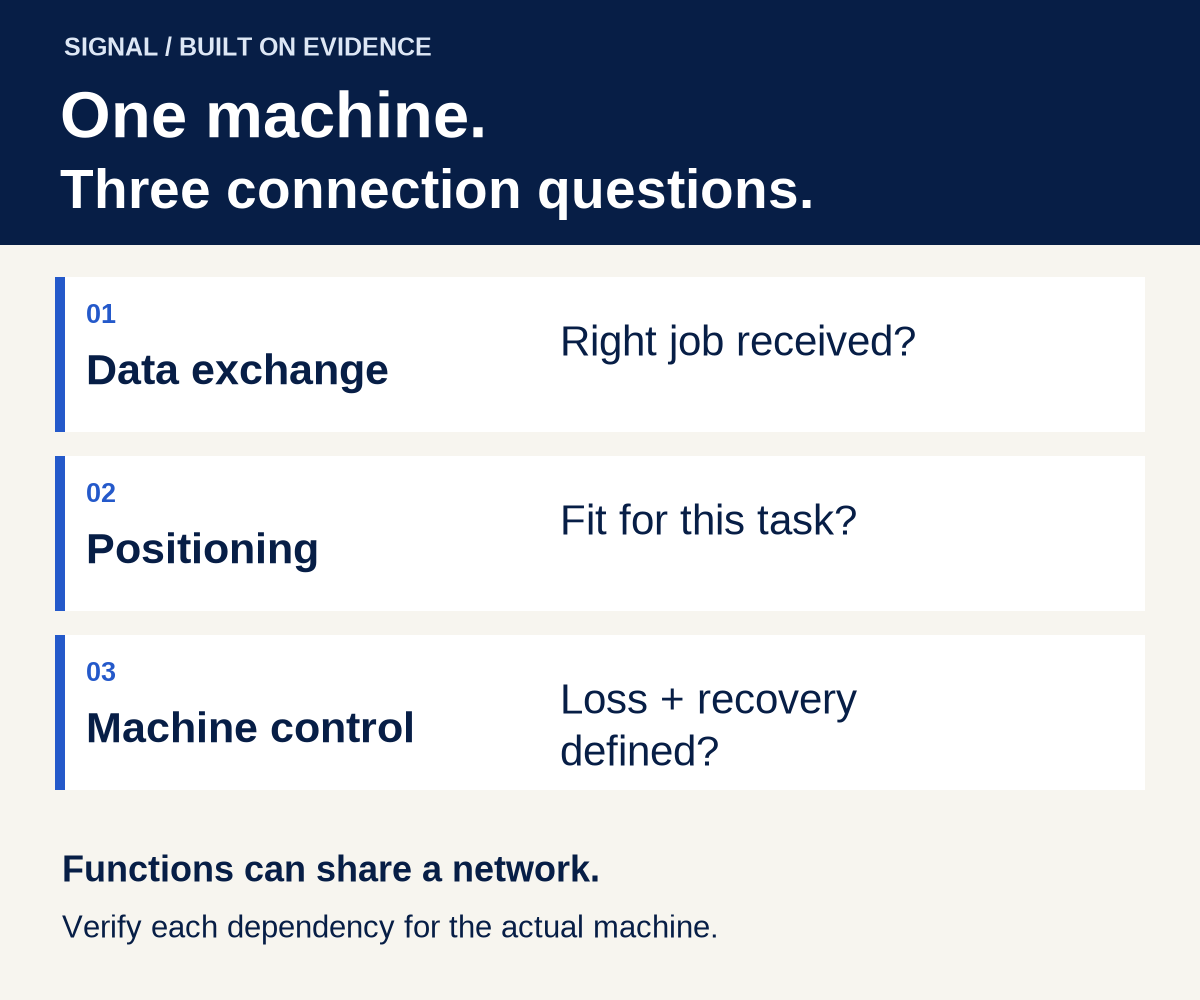
Satellite links can bring the office to a remote machine. Fleet buyers still need to distinguish job data, precision positioning and machine control.
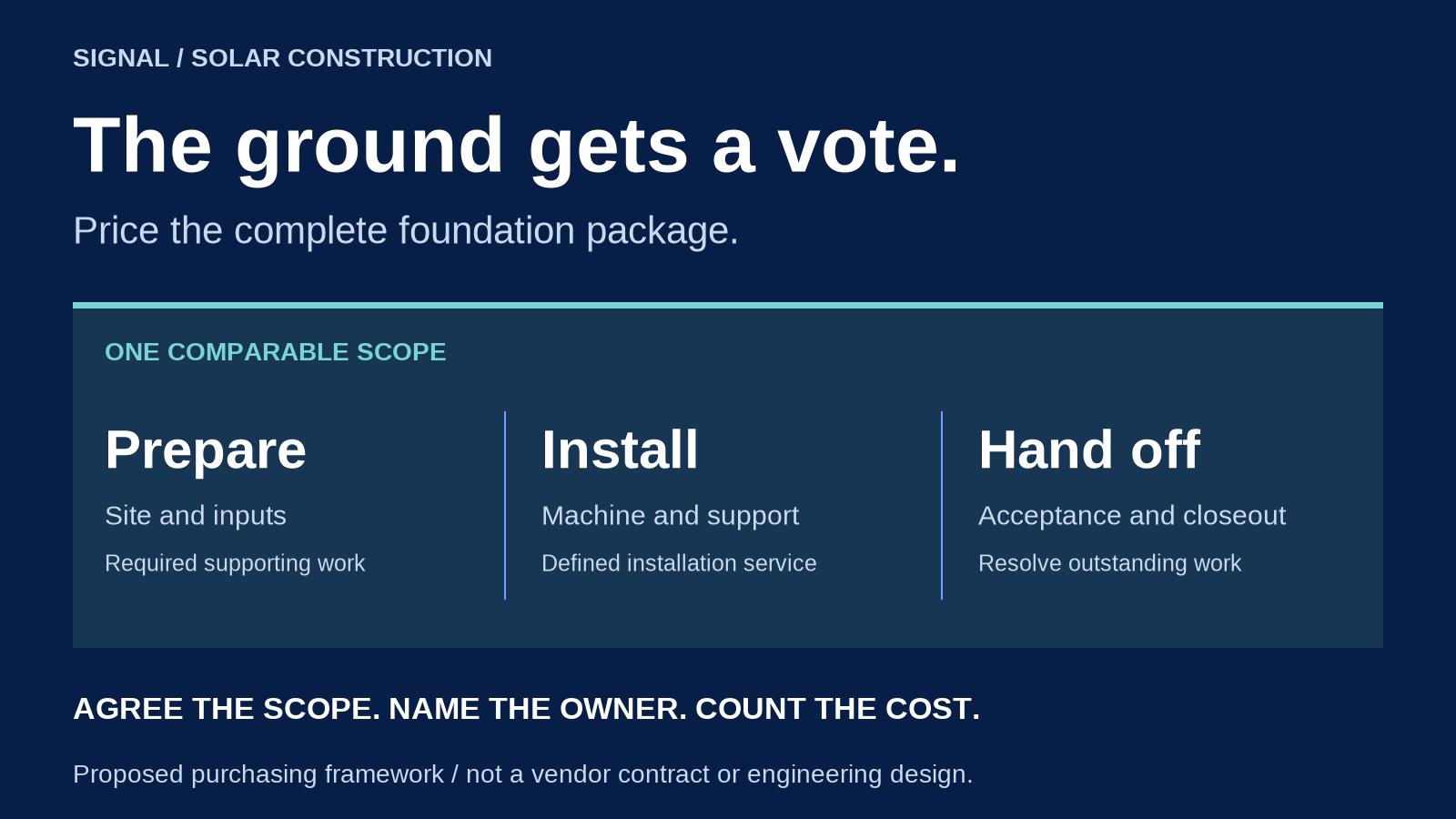
Robotic solar construction is becoming a real buying decision. Define the complete foundation package before comparing the price per pile.
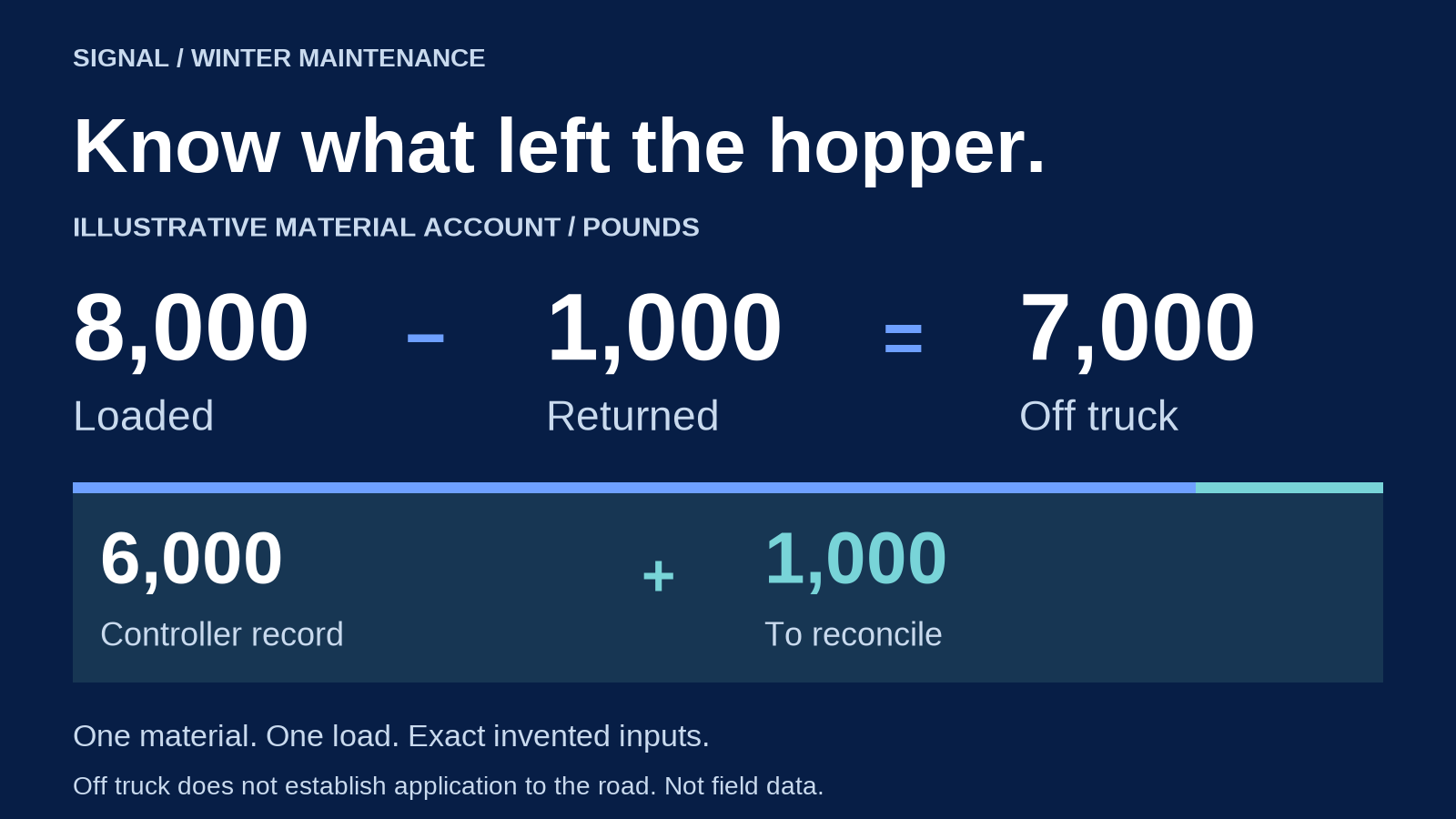
Connected spreaders can make winter material use easier to manage. Buyers need calibration, clear reporting modes and a material account they can reconcile.
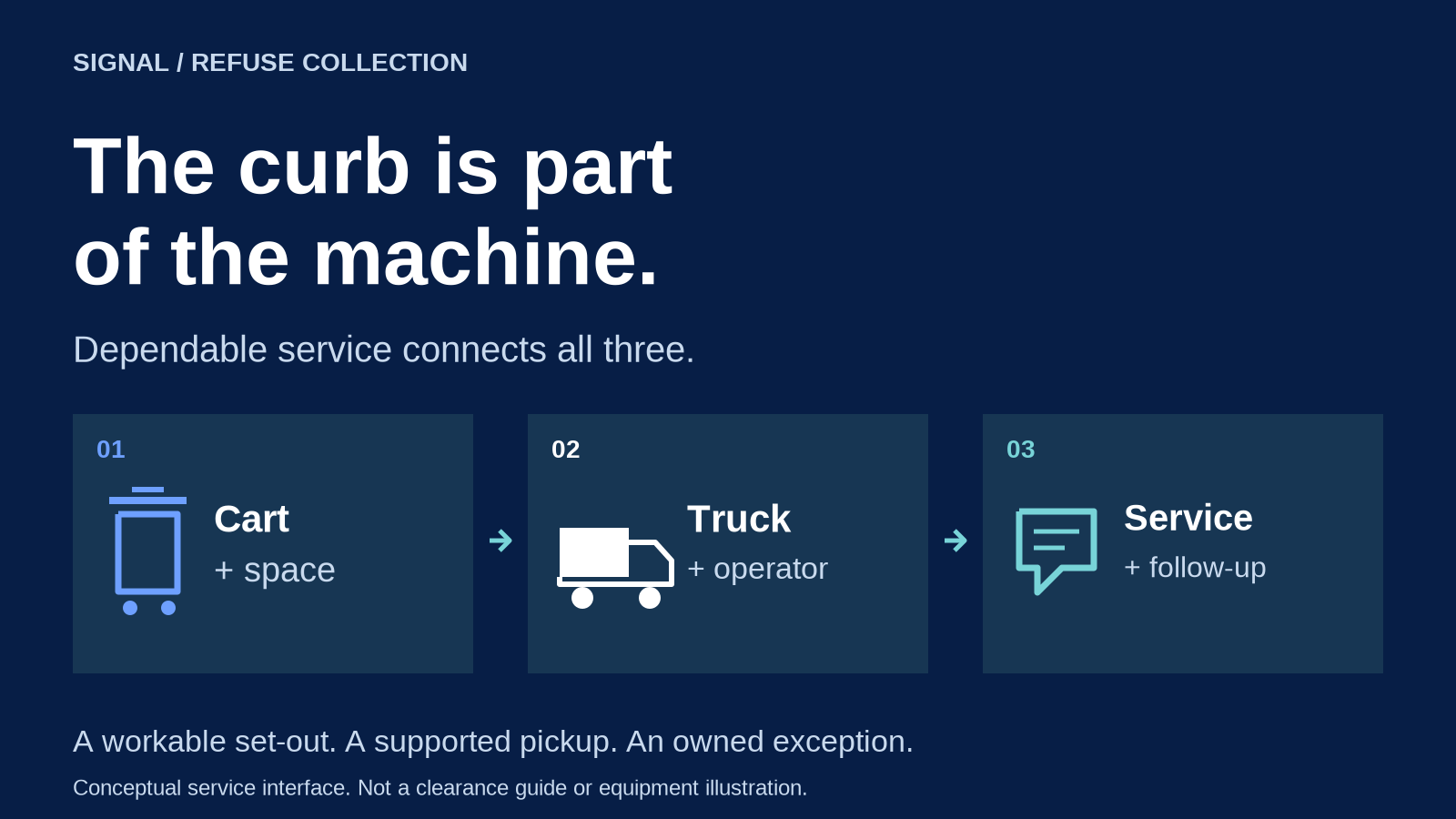
Automated collection arms can make each stop more consistent. Cart placement, operator responsibilities and service exceptions decide how much of that value reaches the route.
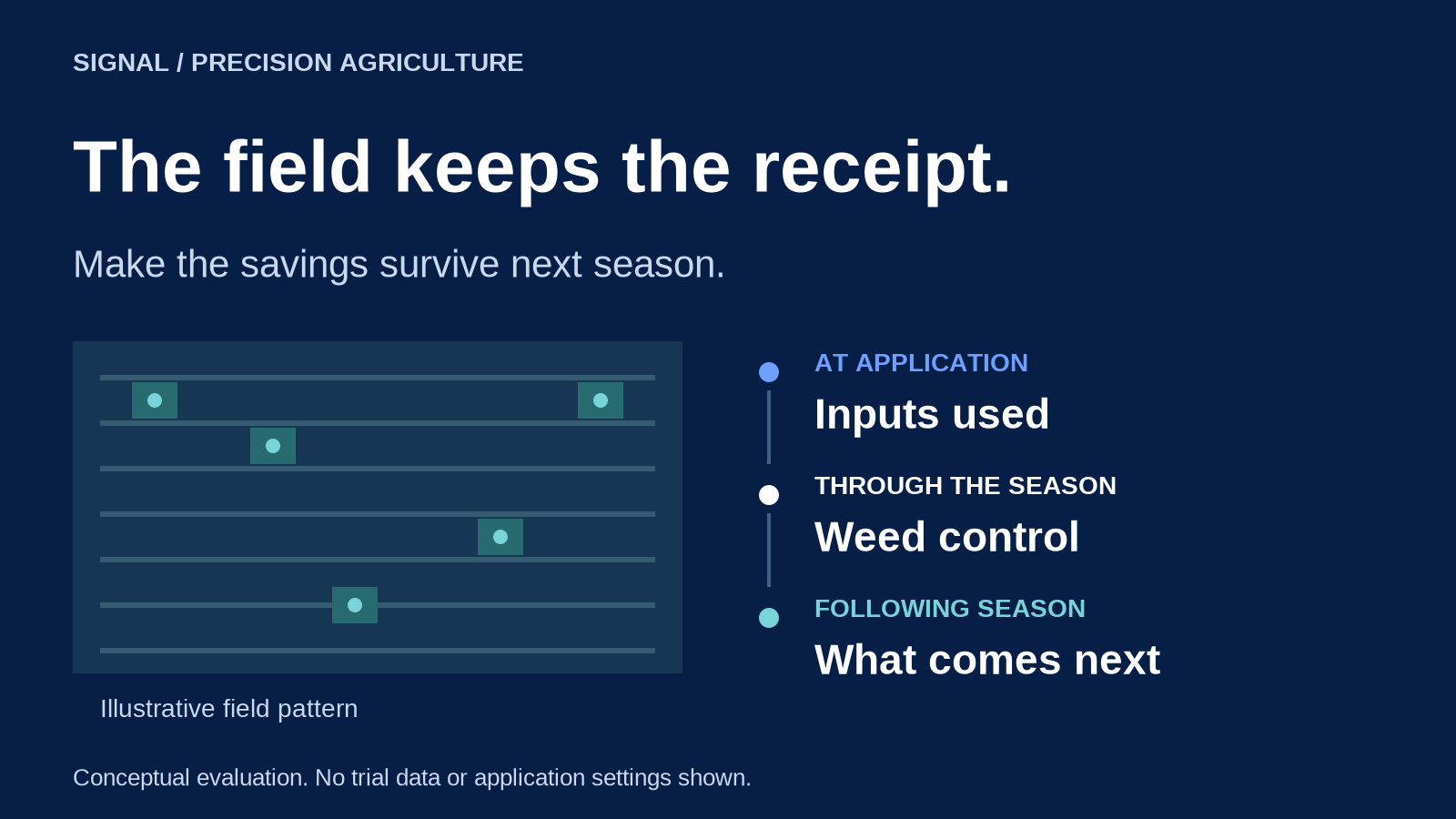
Precision spraying can reduce input use. The buying case also needs weed control, complete costs and a field worth returning to.
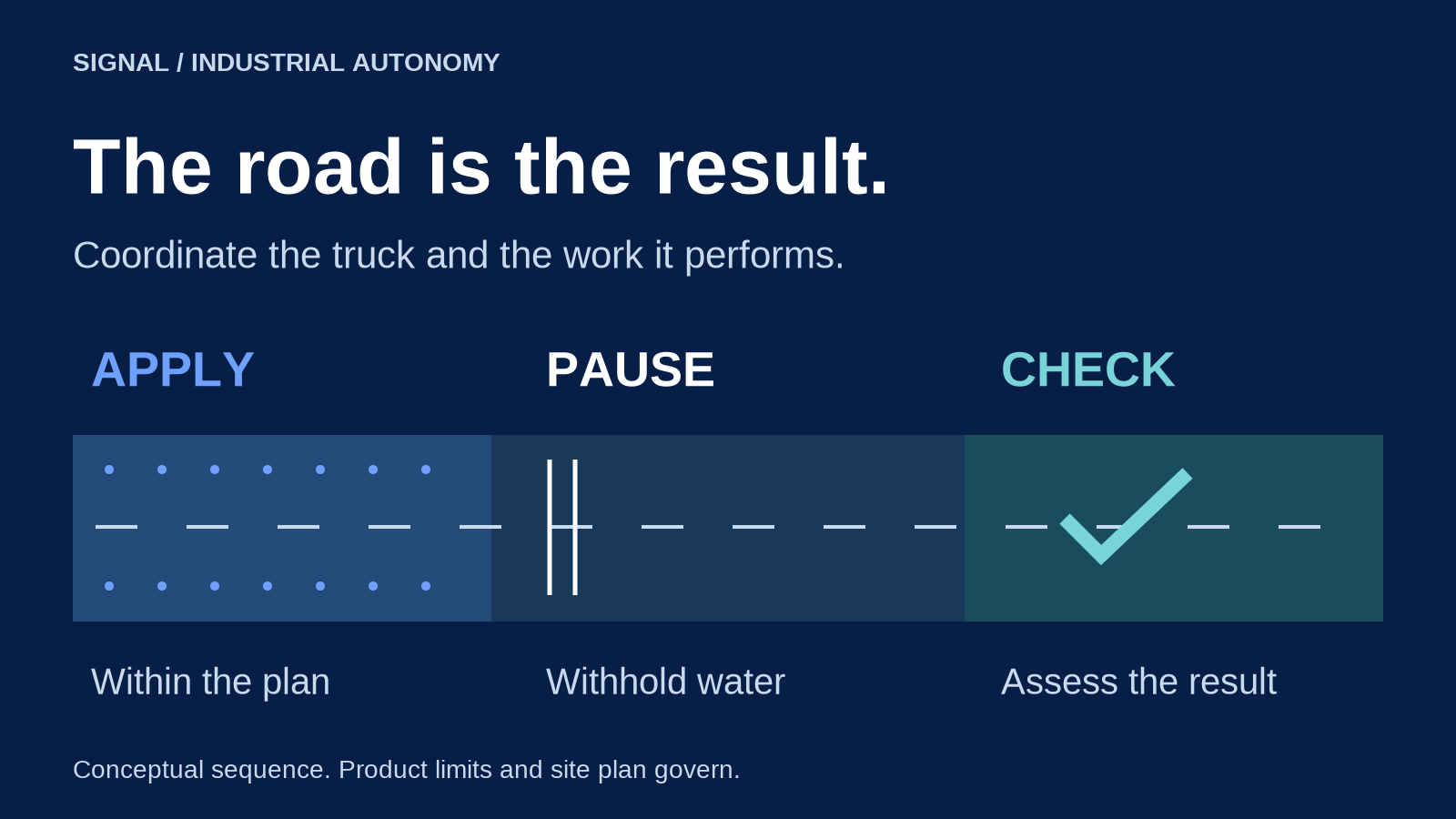
Haul-road watering shows why industrial autonomy must coordinate movement, equipment and the condition left behind.
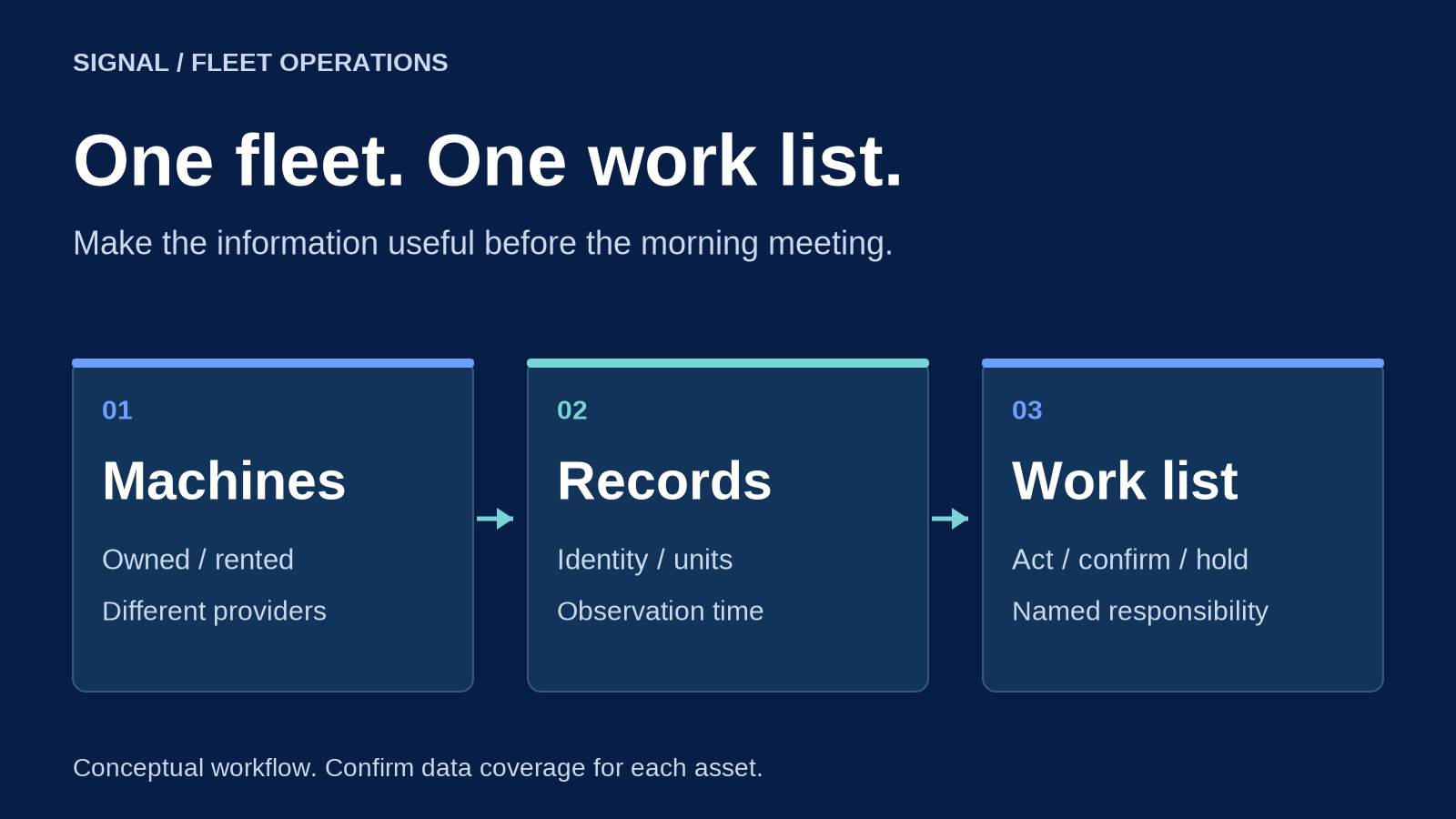
Mixed-fleet data should make the working day easier. Check coverage, meaning and freshness before relying on a common operating view.
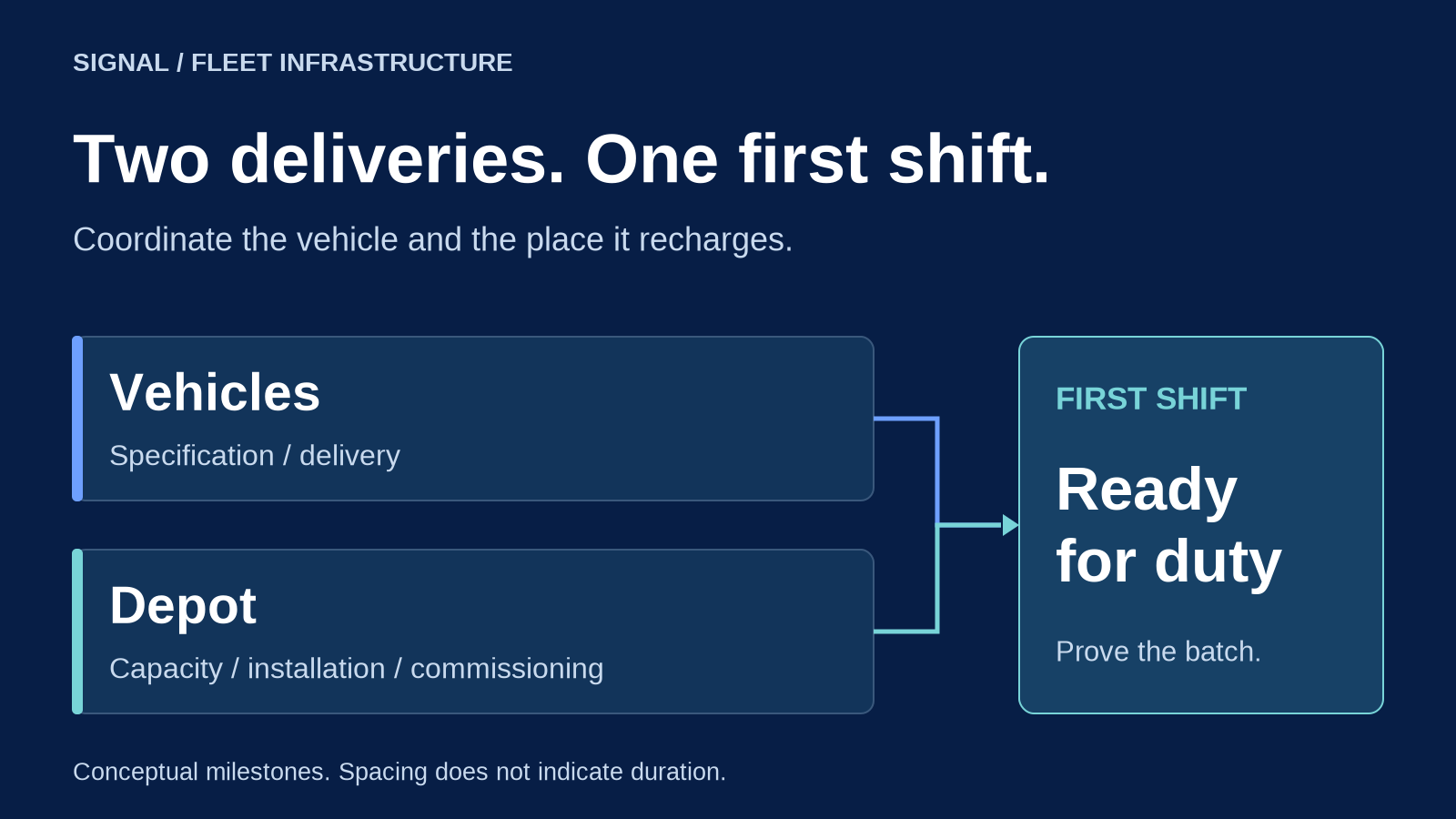
Electric work vehicles need a ready place to recharge. Align the first fleet batch with site capacity, charging controls and a demonstrated departure plan.
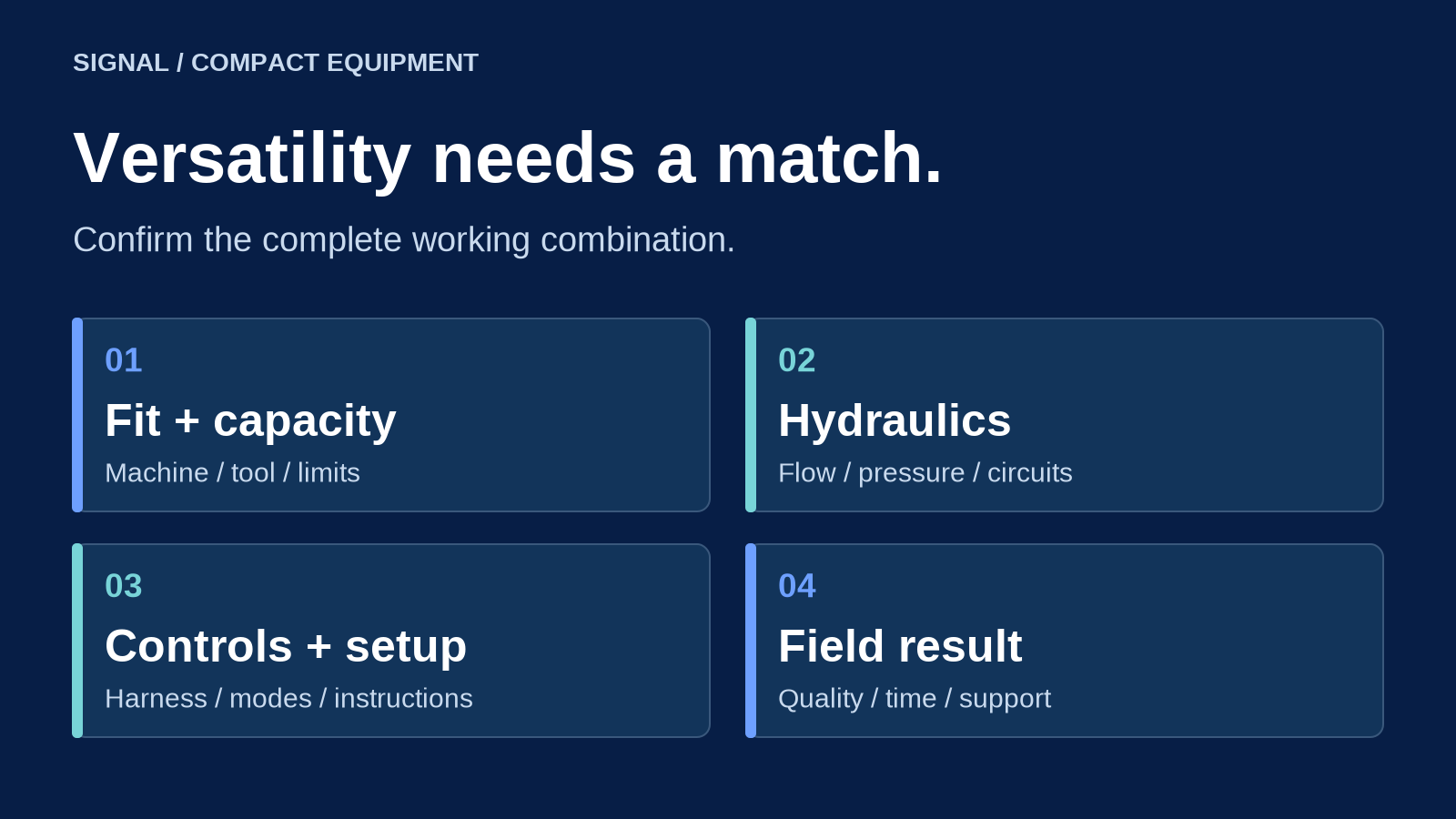
A compact loader earns its versatility through the complete match: the work tool, hydraulics, controls and the job it can actually finish.
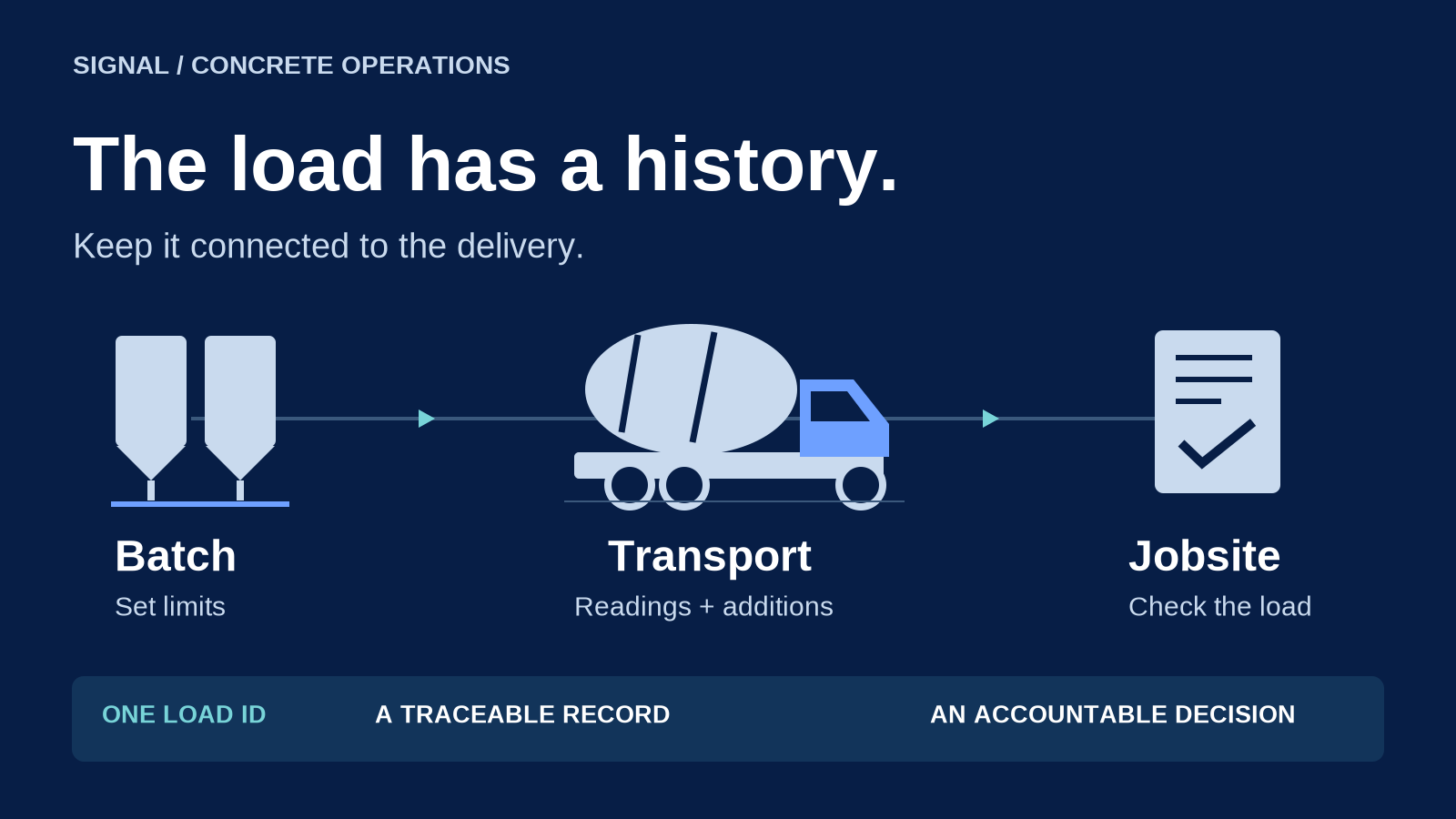
Concrete producers can manage consistency while the load travels. The buying case depends on controlled adjustments, reliable sensors and a load history the receiving crew can use.
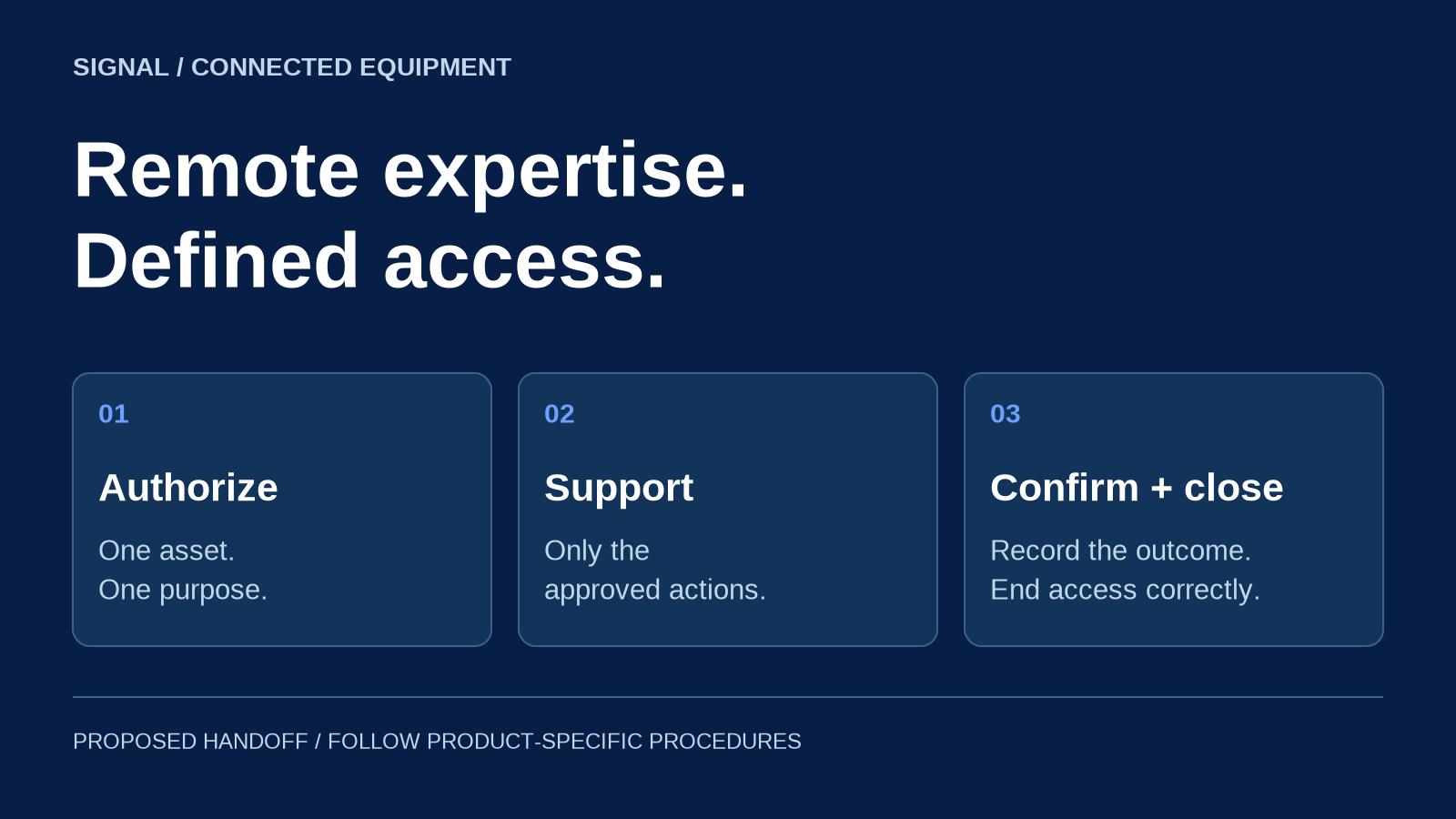
Viewing, diagnosing and updating are different permissions. Fleet buyers should know who can connect, what they can change and how the service session ends.
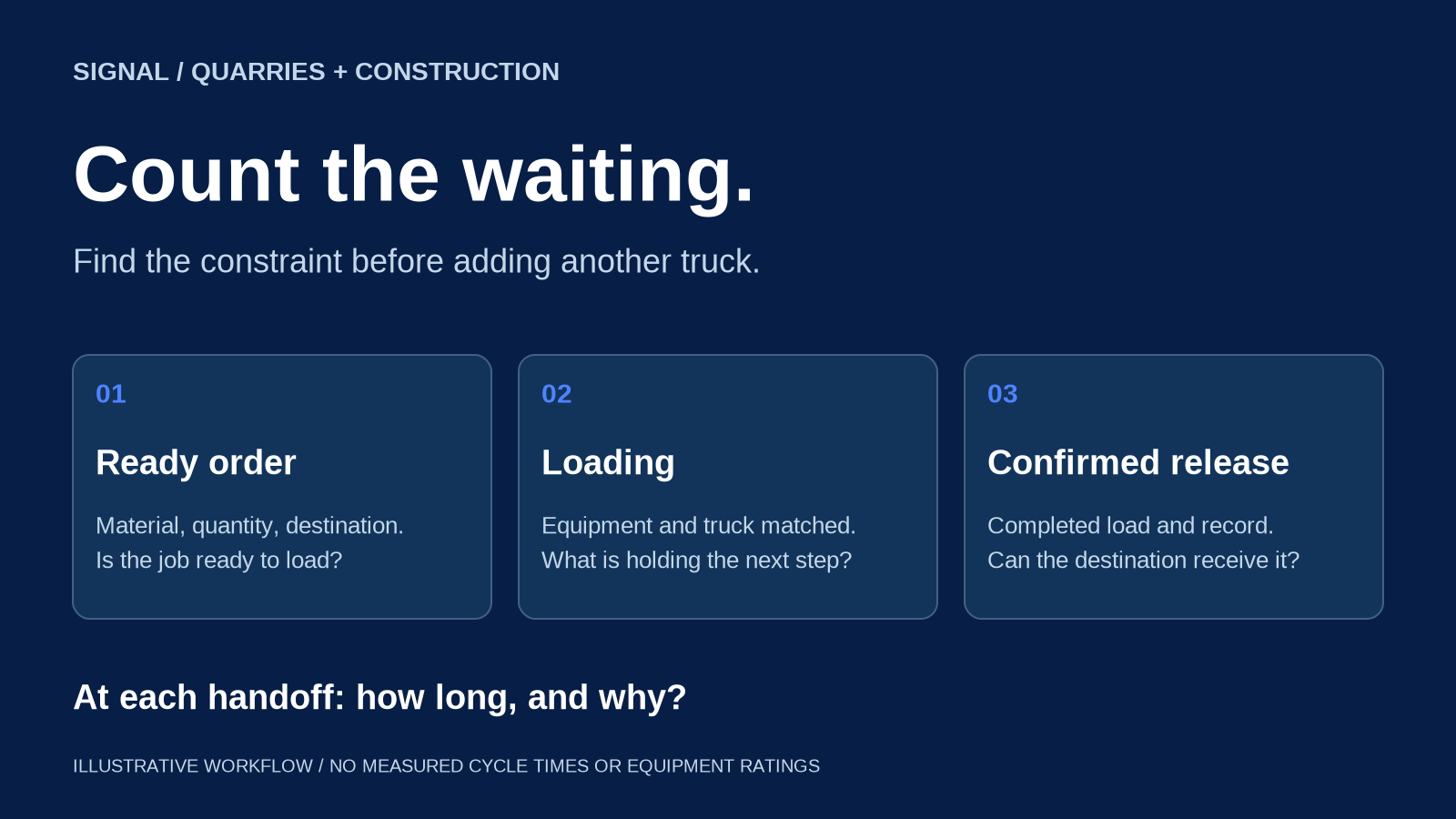
For quarries and construction fleets, loading, dispatch and receiving capacity decide whether another vehicle adds useful output.
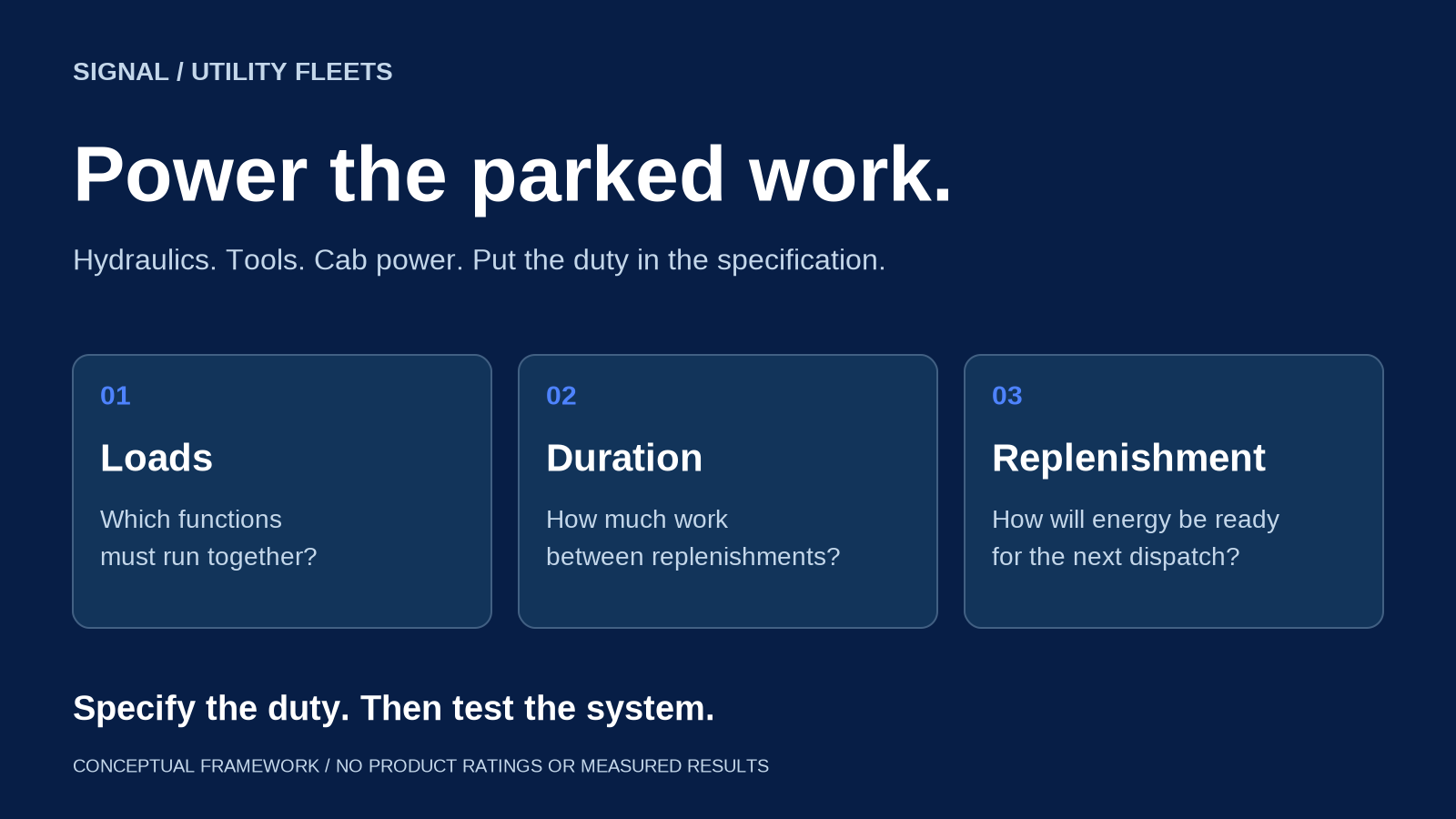
Hydraulics, tools and cab power belong in the vehicle specification. Measure the stationary duty before choosing how to supply it.
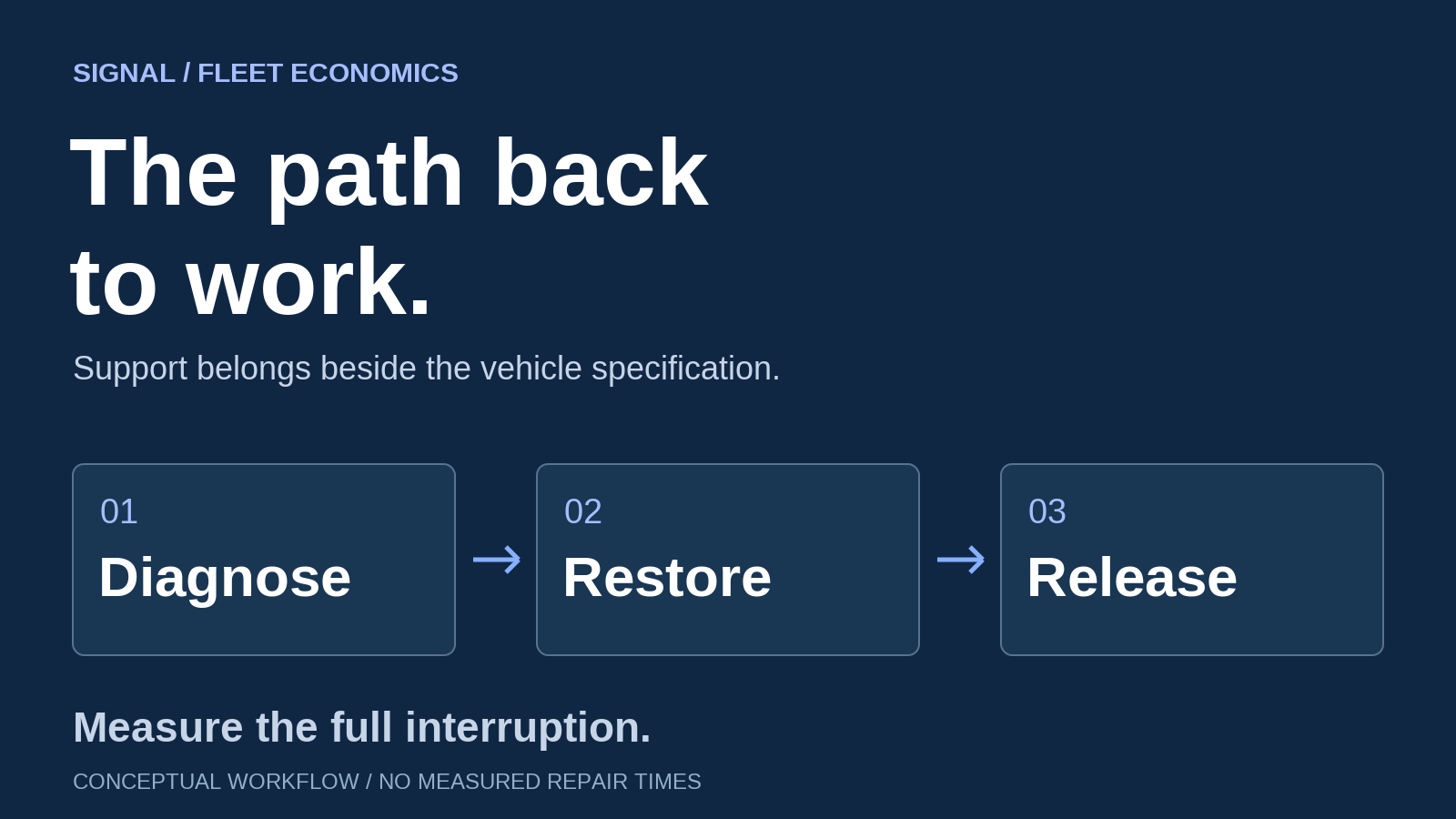
A work vehicle's support plan belongs beside its specification. Measure the path back to work—and make the economics earn their keep.
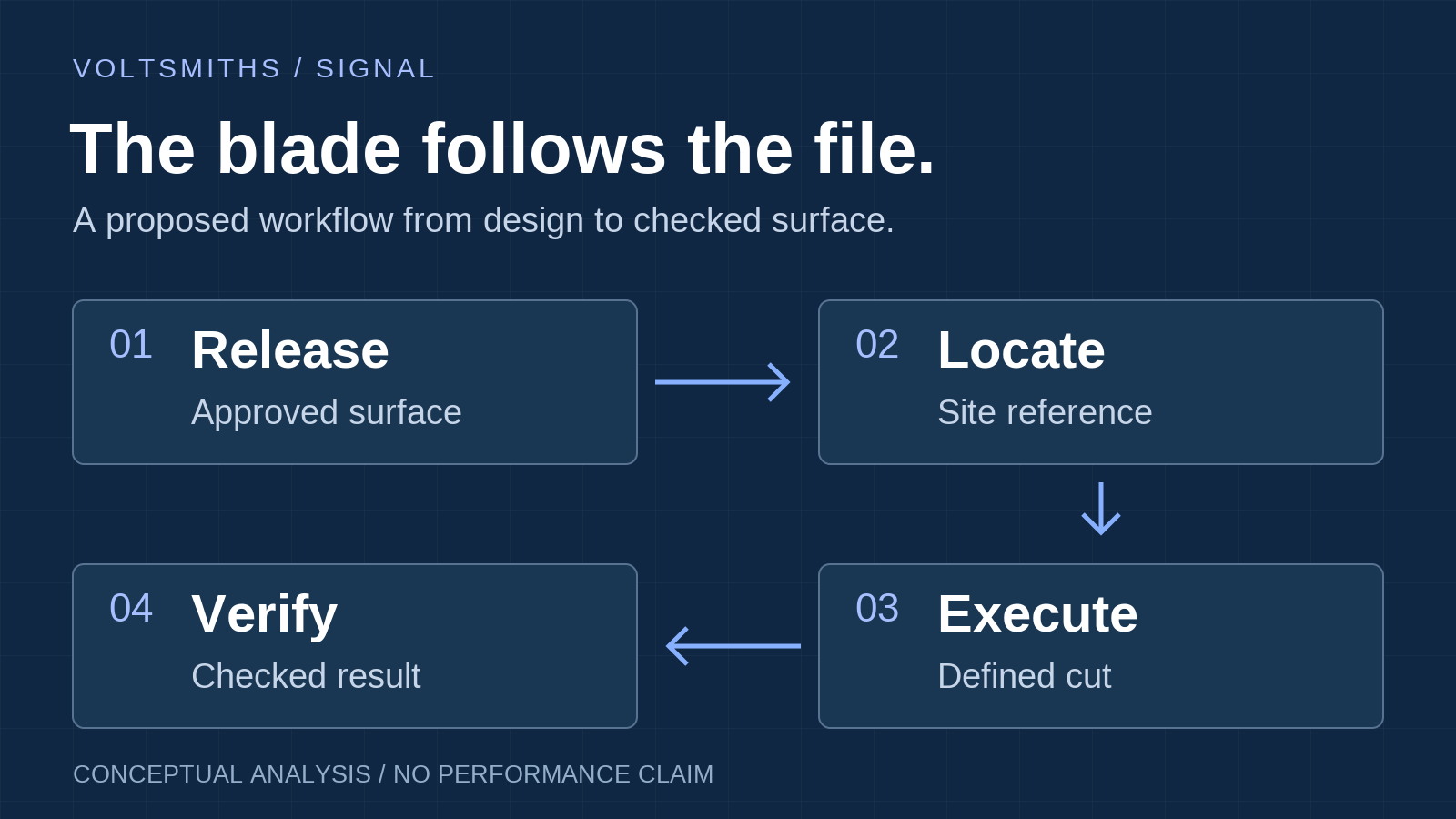
Grade control puts the design directly to work. The next engineering task is making sure the right surface reaches the right machine, in the right place.
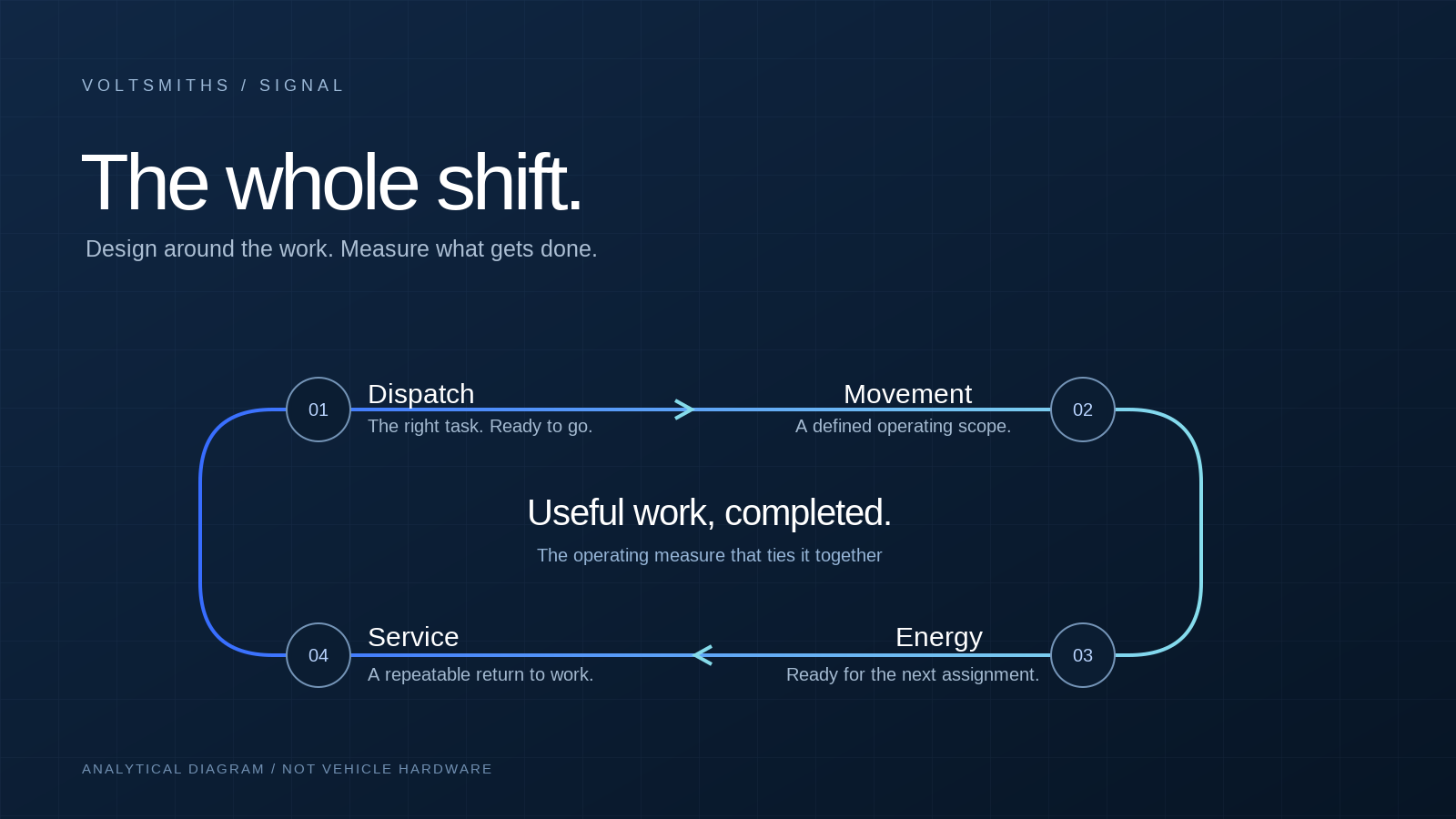
Tesla Semi offers a useful lesson for industrial automation: build the operating system around the work, as well as the technology inside the truck.
No articles match. Try a different topic or search.
Original analysis, primary sources and a practical point of view. From work trucks and automation to Tesla, xAI and SpaceX, we follow the technology where it meets real operations. Occasional field notes explain how we’re building VoltSmiths. Our editorial approach ↗